WELCOME TO YOUR CREATIVE ESCAPE
10 Coloring Principles Every Beginner Should Know
Have you ever finished a coloring page and thought, “It doesn’t look as good as I imagined?”
If so, you’re definitely not alone.
Whether you’ve just picked up your very first adult coloring book or you’re slowly filling a growing collection, every colorist starts somewhere. The good news is that beautiful coloring isn’t about natural artistic talent or owning the most expensive supplies. It’s about learning a few simple techniques and giving yourself permission to enjoy the process.
The following coloring tips are easy to apply, beginner friendly, and can make a noticeable difference in the way your finished pages look. More importantly, they’ll help you build confidence and make coloring feel even more relaxing.
Let’s get started.
1. Start With Colored Pencils Before Trying Markers
If you’re new to adult coloring books, colored pencils are one of the best tools you can choose.
Unlike markers, pencils are forgiving. You can gradually build color, blend different shades together, and control how light or dark your coloring becomes simply by adjusting the pressure of your hand.
Markers certainly have their place, but they leave little room for mistakes. With pencils, you can experiment without feeling nervous.
If you’re buying your first set, focus on quality rather than quantity. A small collection of good pencils will often give you better results than a large inexpensive set.
Beginner Tip: A set of 24 quality colored pencils is more than enough to create beautiful pages.
2. Build Color Slowly Instead of Pressing Hard
One of the biggest mistakes beginners make is trying to achieve rich color by pressing as hard as possible.
While it might seem faster, heavy pressure actually makes blending more difficult and can leave your page looking rough or uneven. It can also damage the paper or leave shiny patches where the pencil wax has built up.
Instead, apply several light layers of color.
This simple habit gives you much more control, allows colors to blend naturally, and creates smoother, richer results.
Think of coloring as painting in gentle layers rather than filling spaces as quickly as possible.
3. Learn One Simple Blending Technique
Blending is one of those techniques that looks impressive but is surprisingly easy to learn.
A simple method is to lightly apply your first color, then gently layer a second color over the top. Continue alternating light layers until the transition looks smooth.
Some beginner-friendly combinations include:
- Yellow and orange
- Pink and purple
- Blue and teal
- Light green and dark green
Colors that naturally sit close together tend to blend beautifully.
Don’t worry about creating perfect gradients right away. Every page you complete will help you improve.
4. Work Smarter, Not Harder
Sometimes the smallest habits make the biggest difference.
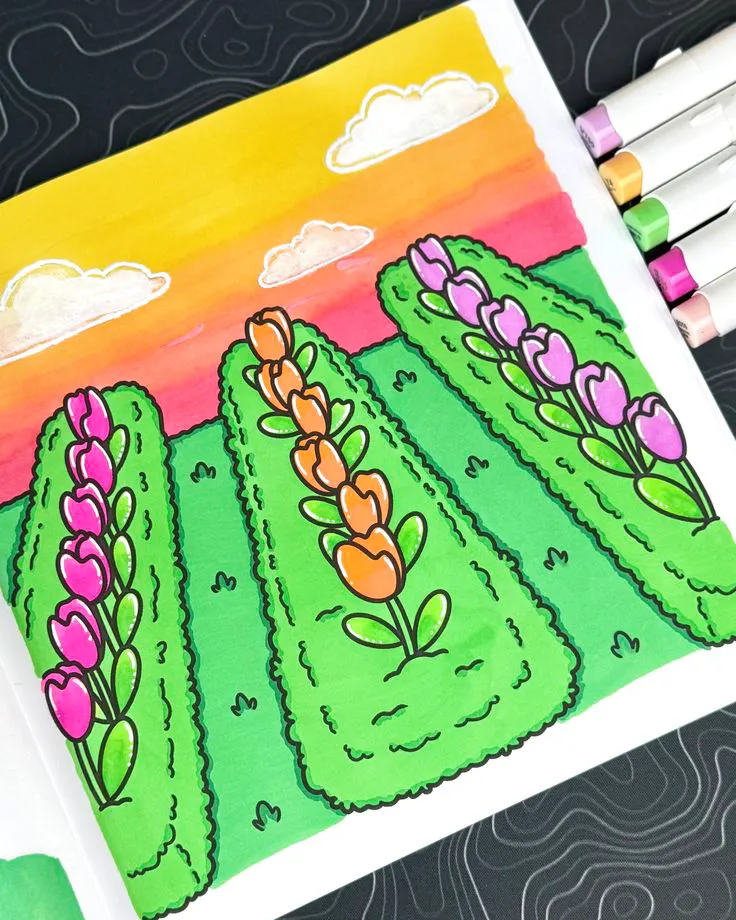
When coloring large areas, use the side of your pencil rather than the sharp point. This creates smoother coverage while reducing visible pencil strokes.
For tiny details, keep your pencils sharp. A fine point makes it much easier to stay inside intricate lines.
If your page contains repeating patterns or symmetrical designs, such as butterflies, flowers, or mandalas, try coloring all matching sections with the same color before moving to the next one. This creates a balanced look and helps you maintain consistency throughout the page.
Another simple trick is to rotate your coloring book instead of twisting your wrist into awkward positions. You’ll have better control and your hand will stay more comfortable during longer coloring sessions.
5. Protect Your Coloring Page
Here’s a simple trick many beginners don’t discover until much later.
Place a few sheets of blank paper underneath the page you’re coloring.
This helps prevent indentations from pressing into the pages below and protects the rest of your coloring book from accidental color transfer.
If you’re using markers, this step becomes even more important, since some markers can bleed through thinner paper.
It only takes a few seconds and helps keep your adult coloring books looking their best.
6. Keep Your Color Palette Simple
When you have dozens of beautiful pencils sitting in front of you, it’s tempting to use every single one.
Resist the urge.
Many stunning coloring pages use surprisingly few colors.
A simple palette of three to five main colors often creates a cleaner, more professional look than trying to include every shade in your collection.
For example:
- Soft blue, teal, and navy
- Pink, coral, and burgundy
- Sage green, olive, and mustard
Repeating the same colors throughout your page also creates harmony and helps tie the entire design together.
Remember, simple doesn’t mean boring. It often looks more polished.
7. Add Light and Shadow for Instant Depth
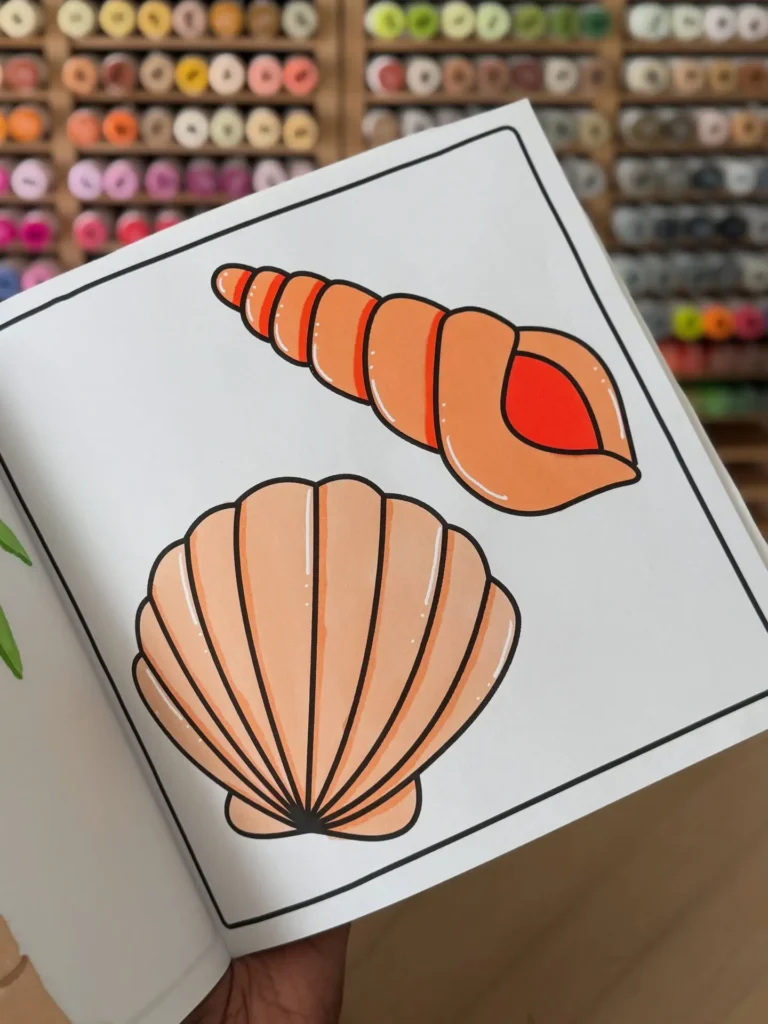
One of the easiest ways to make your coloring pages look more realistic is by adding a little contrast.
Imagine where the light is coming from.
The side closest to the light stays lighter, while the opposite side becomes slightly darker.
You don’t need advanced shading techniques to achieve this. Simply use a darker version of the same color around edges, folds, or underneath overlapping objects.
Leave tiny areas of white paper where light would naturally hit.
This small adjustment creates depth and dimension, making even simple illustrations feel more alive.
8. Don't Panic Over Small Mistakes
Every colorist makes mistakes.
Even experienced artists occasionally color outside the lines or choose a color they later wish they hadn’t.
Instead of focusing on perfection, think about solutions.
Sometimes layering another color can soften the mistake. Small imperfections can often be disguised with darker shades, while a white gel pen can add highlights that draw attention away from tiny errors.
And sometimes…
The best solution is simply to keep coloring.
Once an entire page is finished, those little mistakes often disappear into the overall design.
Progress is far more important than perfection.
9. Add Finishing Details
Once you’ve finished coloring, consider adding a few small finishing touches.
These little details can make a page feel complete.
Some popular options include:
- White gel pen highlights
- Tiny dots or sparkles
- Decorative patterns
- Fine black outlines
- Simple crosshatching
You don’t need to add these to every page, but experimenting with small finishing details is a fun way to develop your own personal style.
10. Have Fun and Make It Your Own
This is the most important coloring principle of all.
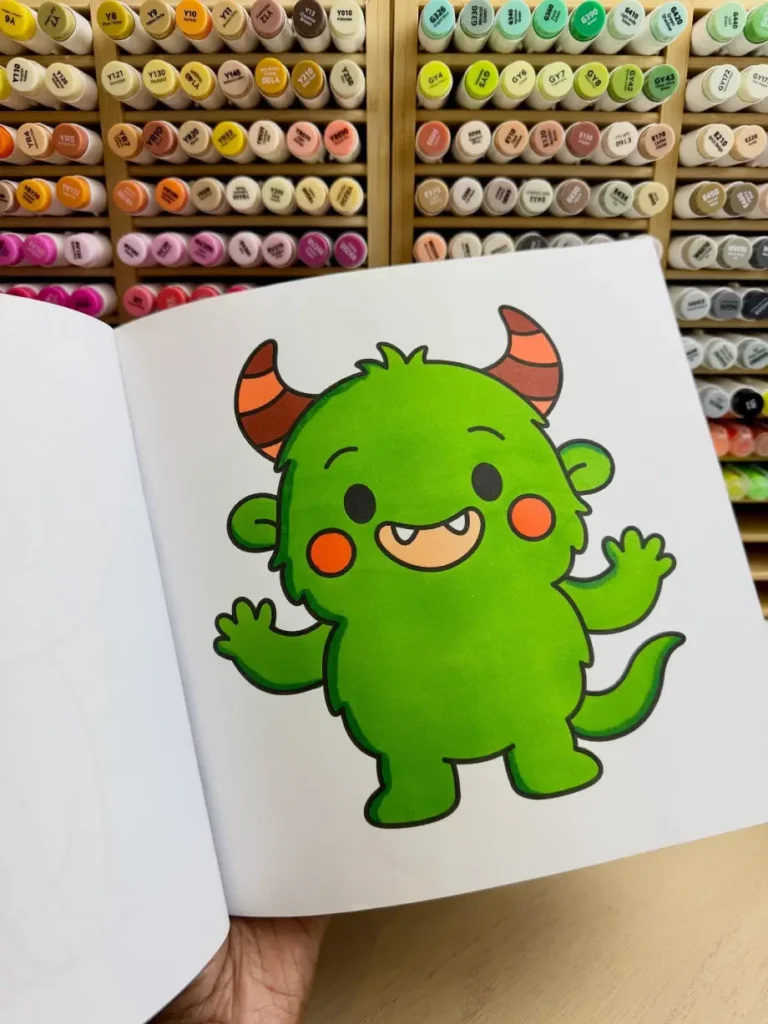
There are no rules saying leaves must be green or flowers must be pink.
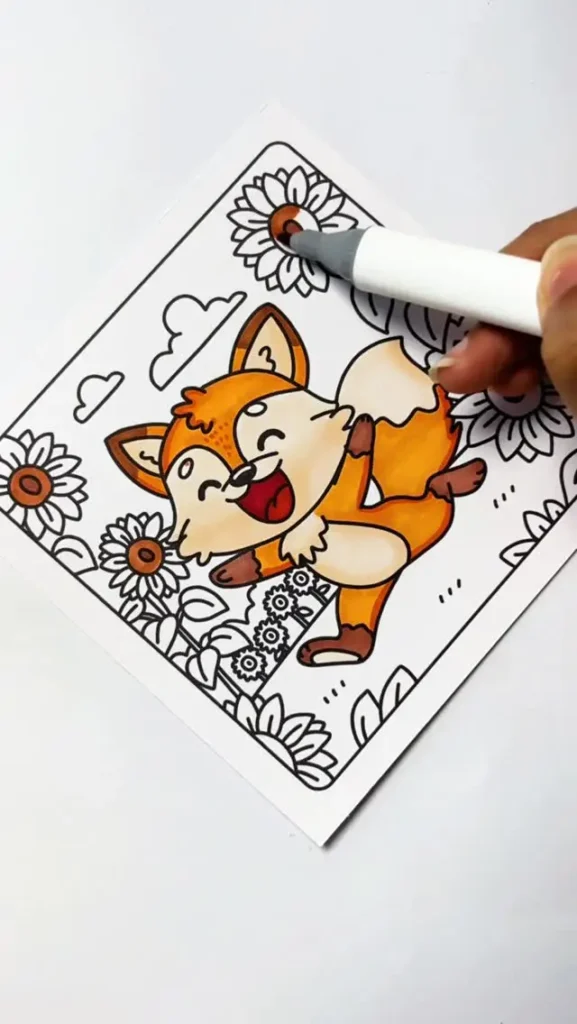
Maybe you want a blue fox.
Perhaps your butterfly has rainbow wings.
Maybe your entire forest glows in shades of purple.
That’s perfectly okay.
One of the greatest joys of adult coloring books is the freedom to experiment without worrying about getting everything “right.”
Every page is an opportunity to relax, slow down, and enjoy the creative process.
As your confidence grows, so will your own unique coloring style.
And that’s something no rulebook can teach.
Frequently Asked Questions
What are the best supplies for beginners?
A good set of colored pencils, a quality sharpener, a white gel pen, and a few sheets of blank paper for protecting your pages are all you need to get started.
Should beginners use colored pencils or markers?
Colored pencils are generally the best choice for beginners because they allow you to blend colors, build layers gradually, and correct small mistakes more easily than markers.
How can I make my coloring pages look smoother?
Use light pressure, build color gradually, and work in consistent strokes. Layering several light coats creates a much smoother finish than pressing hard with one layer.
How many colors should I use on one page?
For most beginners, three to five main colors work beautifully. Limiting your palette creates a balanced, cohesive design without feeling overwhelming.
Do I have to color things realistically?
Not at all. Coloring is about creativity and relaxation. Feel free to experiment with unexpected color combinations and create pages that reflect your own imagination.
Final Thoughts
Every experienced colorist was once a beginner.
The difference isn’t talent. It’s simply practice, patience, and learning a few helpful techniques along the way.
These coloring tips aren’t rules you have to follow perfectly. Think of them as helpful guidelines that will make your coloring sessions more enjoyable and your finished pages more satisfying.
Most importantly, remember why you started.
Whether you’re coloring to unwind after a busy day, spend less time on screens, or simply enjoy a creative hobby, every page is an opportunity to slow down and do something just for yourself.
So grab your favorite pencils, pick a page from one of your favorite adult coloring books, and enjoy the journey.
Happy coloring!


Get 14 FREE Coloring Pages — Instantly!
Join our email list and unlock a bundle of beautiful designs right away! Plus, enjoy exclusive pages, creative tips, and special offers — all delivered straight to your inbox. Let the coloring fun begin!